Washer Dryer Repair - & thermistors
- benfleetappliancer
- Feb 18
- 2 min read

Updated: Mar 18
Attended a washer dryer that was tripping the heater thermistors during drying. The customer had already replaced the fan motor, but the fault remained. During testing, I found no power going to the fan.

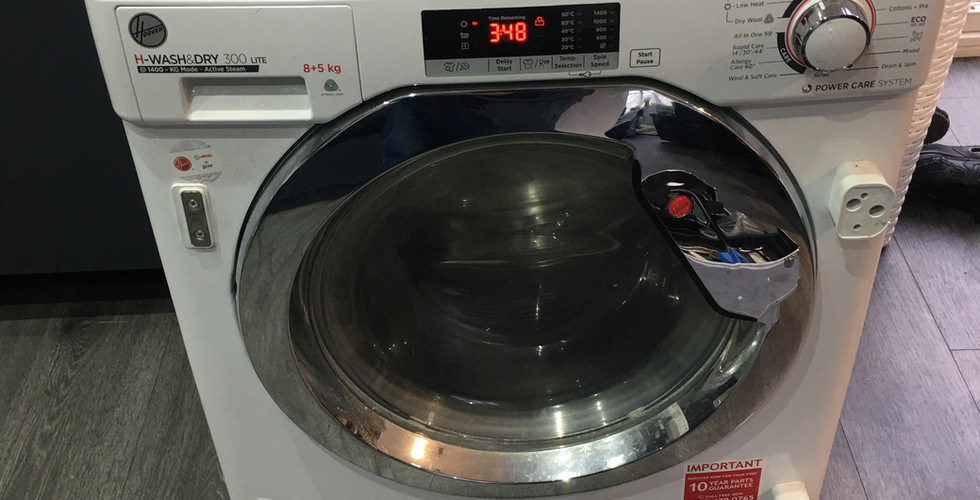


The issue turned out to be a broken wire supplying the fan motor. Once repaired properly, the fan ran perfectly, and the dryer cycle worked as it should.
The original fan motor wasn’t actually faulty — it was an expensive part that didn’t need replacing. This is why proper diagnosis matters. Faults can sometimes be simple, but experience is key to finding them quickly and avoiding unnecessary parts costs.
If you need reliable appliance repairs in Benfleet and surrounding areas, feel free to get in touch.
Understanding Thermistors in Appliances
What Are Thermistors?
A thermistor is a temperature sensor used inside appliances like washer dryers, ovens, and tumble dryers. In simple terms:
It monitors temperature.
It sends information back to the control board.
The machine then adjusts the heater on or off to keep the temperature safe and correct.
In a washer dryer, thermistors help:
Prevent overheating.
Control drying temperature.
Protect heater elements.
Stop the machine if temperatures go outside safe limits.
If a thermistor detects excessive heat, the machine may:
Trip.
Shut down the heater.
Display an error code.
Stop the drying cycle.
The Role of Thermistors in Washer Dryers
Thermistors are small but very important temperature sensors found inside many household appliances, including washer dryers, tumble dryers, and electric ovens. Their job is simple — they constantly monitor temperature and send feedback to the control board. The appliance then adjusts the heating element accordingly to keep everything running safely and efficiently.
During the drying cycle, thermistors:
Monitor internal air temperature.
Prevent overheating.
Protect the heater element.
Help maintain consistent drying performance.
If airflow is restricted or a component like the fan stops working, temperatures can rise too quickly. The thermistors detect this and will shut the heater down or stop the cycle to prevent damage.
Thermistors in Tumble Dryers
In tumble dryers, thermistors control drying temperature and work alongside thermal cut-outs to:
Prevent overheating.
Protect clothing from excessive heat.
Safeguard internal components.
Thermistors in Electric Ovens
Thermistors regulate oven temperature by:
Monitoring cavity heat.
Allowing the control board to cycle the element on and off.
Maintaining accurate cooking temperatures.
When an oven thermistor fails, the appliance may appear completely “dead” because the control board isn’t receiving temperature readings. Without this feedback, the oven won’t power the heating elements as a safety measure, preventing potential overheating or damage.
Conclusion: The Importance of Thermistors
So there we have it — thermistors: tiny components designed to protect your appliances, helping prevent damage and reducing the risk of fires during operation.
I hope you enjoy reading these blogs I have created. If you ever need advice or repairs, please get in touch before attempting to repair your own appliance. I'm happy to help if you want to do a repair yourself or if you want to see if it's worth having your appliance repaired or replaced.

Comments